
 EN
EN DE
DE IT
IT FR
FR ES
ES RU
RU JP
JP RO
RO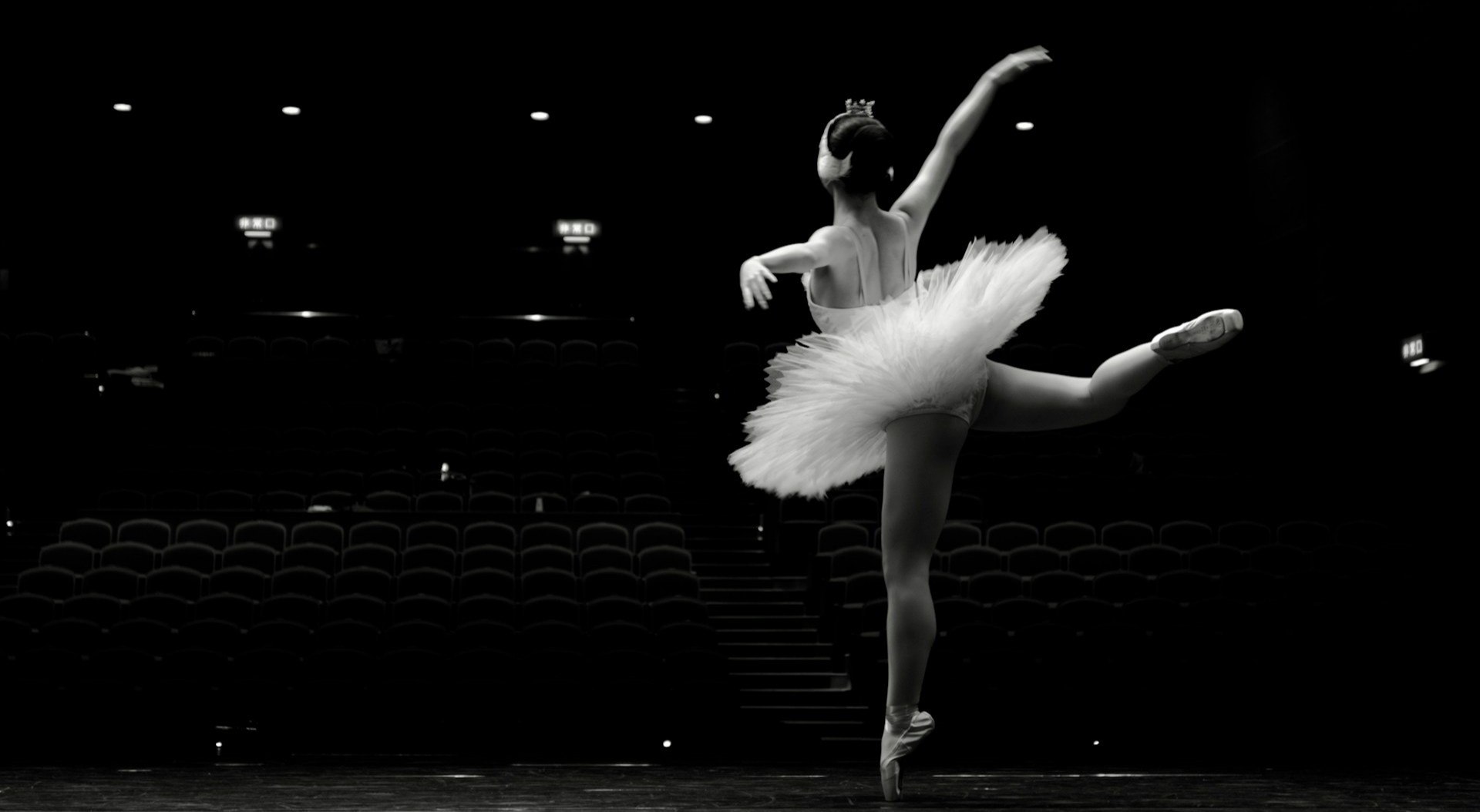
Who cares
Order tickets
 February 2136 February 2136 | ||||||
|---|---|---|---|---|---|---|
Mo | Tu | We | Th | Fr | Sa | Su |
Who cares? | Ballet
Brahms-Schoenberg Quartet (1966) is Balanchine’s very first abstract work. The choreographer used to say that chamber music was not suitable for large-scale ballets, since chamber pieces are usually “too long, with too many repeats, and are meant for small rooms”. Back in the 1930s, Arnold Schoenberg orchestrated Johannes Brahms’s Piano Quartet No. 1 in G minor, voicing similar dissatisfaction. In a letter to the San Francisco Chronicle music critic Alfred Frankenstein, he explained the reasons for having done so: “1. I like the piece. 2. It is seldom played. 3. It is always very badly played, because the better the pianist, the louder he plays, and you hear nothing from the strings. I wanted once to hear everything, and this I achieved.” Balanchine opted for Schoenberg’s version. His Brahms-Schoenberg Quartet is a dynamic one-act ballet for 55 dancers in four parts (in line with the four movements of Brahms’s quartet), each possessing a particular mood, style and charge.
Choreographed to George Gershwin’s music, the 40-minute neoclassical ballet Who Cares? is one of George Balanchine’s most joyous works. Its title is identical with that of one of the featured songs, written by George and Ira Gershwin for their 1931 musical Of Thee I Sing. “The best of Gershwin songs maintain their classic freshness, like an eternal martini – dry, frank, refreshing, tailor-made, with an invisible kick from its slightest hint of citron,” wrote Lincoln Kirstein, co-founder of the New York City Ballet. Robert Sealy of Ballet Review said: “This fast-stepping, cheeky ballet evokes the lively spirit of Fred Astaire, Ginger Rogers and the 1930s, and portrays an exuberance that is broadly American and charged with a distinctive energy. Who Cares? is wonderful. Never in a theatre have I wanted so much to jump the moat and join in. It is pure, unmitigated, uncut joy.”
Program and cast
Brahms-Schoenberg Quartet
Choreography: George Balanchine
Music: Johannes Brahmsorchestrated by Arnold Schoenberg
Who Cares?
Choreography: George Balanchine
Music: Johannes Brahms orchestrated by Arnold Schoenberg
State Opera Orchestra
Prague State Opera
The State Opera today
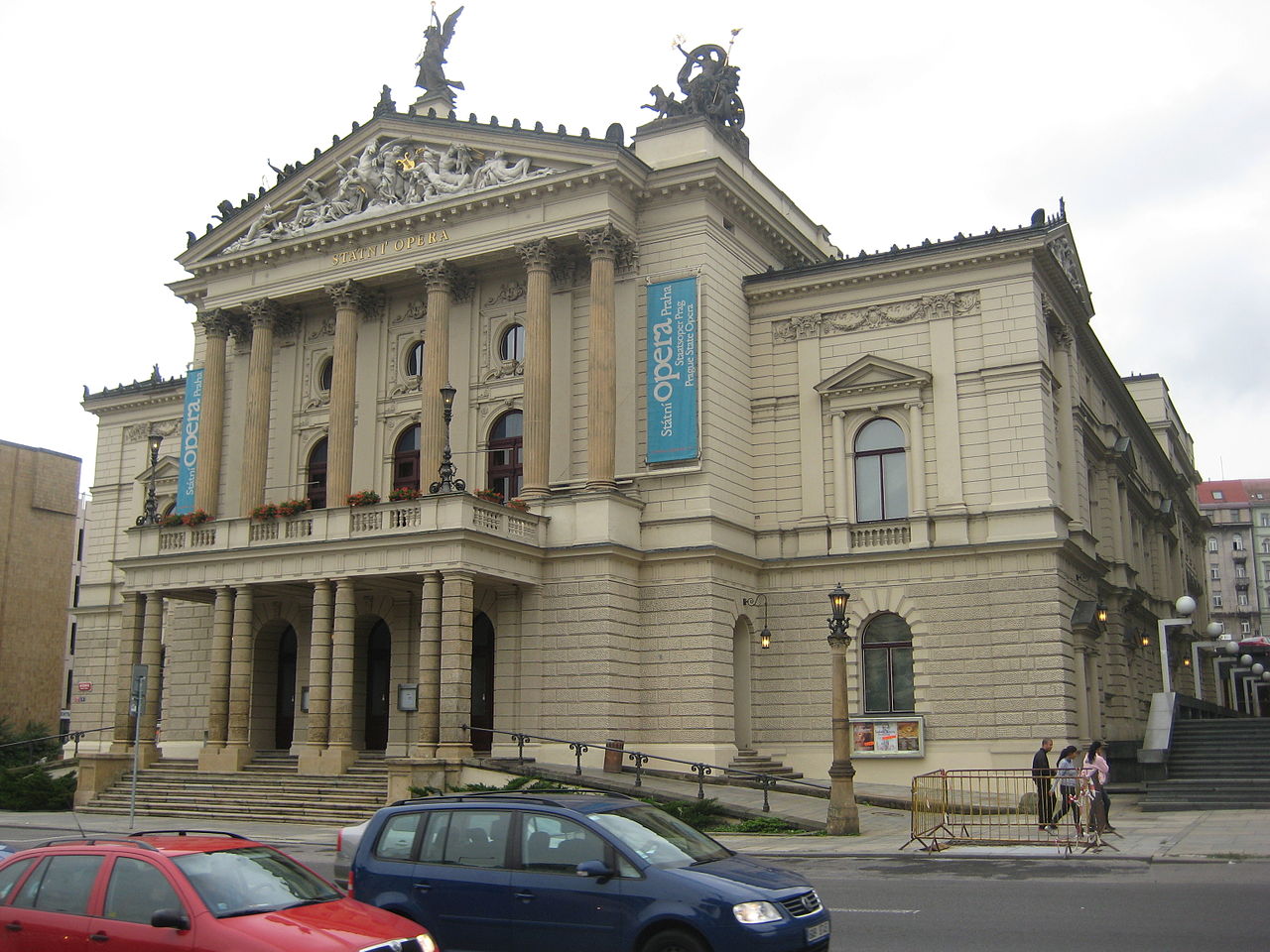
The State Opera (formerly the State Opera Prague, between 1948 and 1992 the Smetana Theatre, and originally the New German Theatre) has been a part of the National Theatre since 2012. The Opera and Ballet ensembles give repertory performances at the State Opera.
Practical information
Where to buy tickets
When purchasing tickets online, you will receive an e-ticket, which does not need to be printed—you can simply present it on your device upon entry. When available, you may also choose to collect printed tickets from the National Theatre box offices, and any tickets purchased directly at the box office will be issued in physical form.
The National Theatre sells tickets up to 6 months in advance.
Sales always start on the 1st day of the month at 9am, except in January when pre-sales do not start until the 2nd day due to a public holiday.
When do the doors open prior the show?
The National Theatre, The State Opera and the Estates Theatre are open 45 minutes prior the performance in time of increased hygiene practices. The evening box offices are open at the same time.
The main box office at the New Stage on play days is open until the beginning of the show. The New Stage auditorium is open 30 minutes prior the performance.
What kind of dress is suitable for attending the theatre?
Dress codes are only required for special events. By their appearance, the visitors indicate that they are aware of the festive occasion they are experiencing at the theatre. Persons in markedly soiled clothes and persons whose behaviour may compromise the safety of the other visitors are not allowed to enter the respective premises, or can be ejected from them.
Where do I park? How much does the parking cost?
While visiting the State Opera, you can take the slip road on Wilsonova street from the left lane close to the State Opera building to the Parking Centrum above-ground garage. The parking fee is 60 CZK/h.
Only non-cash payments: Parking fees can be paid exclusively by cashless payment card or another virtual device (watch or phone). Thank you for your understanding.”
Buffets at the State Opera
No waiting. For your benefit, please pre-order your food and beverages at the bar to minimize waiting in the queue!
Accessibility for the disabled
All the National Theatre venues are accessible to disabled persons, with special seats allocated for them in the auditorium. It is, however, advisable to consult each visit in advance with the National Theatre Sales Department.
Can I get an artist’s signature? Can I leave them flowers?
The National Theatre does not provide signatures of artists or contacts to them. You can leave flowers for artists performing in the show before its beginning at the theatre stuff.
History
The Prague State Opera resides in the building which on January 5, 1888 was opened as a Prague German stage with the performance of Wagner’s opera, The Mastersingers of Nürnberg. In the 19th century, Prague Germans performed in the Estate’s Theater in alternation with a Czech company. Desire for their own theater led to negotiations in 1883 for the construction of a new theater building for the German Theater Association. Over the next three years, a blueprint was drawn up and handed over to the Vienna atelier of Fellner and Hellmer. Also sharing in the design was the architect of the Vienna Municipal Theater, Karl Hasenauer, while Prague architect Alfons Wertmüller took part in the construction. Financing came from private collections. With its spacious auditorium and neo-Rococo decoration, this theater building is among the most beautiful in Europe.
Access:
By tram
By daytime tram No. 11 to the stop “Muzeum”, through the underpass beneath Legerova street in the direction of the NationalMuseum, at the crossroads turn right along the NewBuilding of the NationalMuseum.
By daytime trams Nos. 3, 9, 14 and 24 or night trams Nos. 51, 52, 54, 55, 56 and 58 to the stop “Václavské náměstí”, then by foot uphill on the left side of the Wenceslas Square to the traffic lights across Wilsonova and Vinohradská streets. Then turn left along the NewBuilding of the NationalMuseum.
By metro
To the “Muzeum” station, lines A and C (green and red), and then by foot along the NewBuilding of the NationalMuseum.
Related events